Strategy games on PC aren’t just about moving units across a map—they’re about outthinking opponents, managing resources under pressure, and executing long-term plans with precision. Whether you're orchestrating galactic empires or commanding medieval armies, the best PC strategy games deliver depth, replayability, and a satisfying sense of control. With dozens of titles flooding platforms like Steam and Epic, finding the right one can be overwhelming. This guide cuts through the noise, spotlighting the most rewarding strategy experiences available right now.
---
Why PC Remains the Ultimate
Platform for Strategy Games
No other platform offers the same level of precision, mod support, and genre diversity as PC when it comes to strategy gaming. The combination of keyboard-and-mouse input, expansive screen real estate, and robust community modding tools creates an environment where complex mechanics are not just manageable—they’re enjoyable.
Take Crusader Kings III, for example. Navigating the intricate web of noble marriages, vassal loyalty, and religious intrigue requires constant menu navigation and quick decision-making. On console, this would feel sluggish. On PC, it’s fluid and immersive. Similarly, real-time games like Company of Heroes 3 demand rapid micro-management of squads, cover systems, and supply lines—tasks where mouse precision gives PC an undeniable edge.
Beyond controls, PC players benefit from: - Mod support: Steam Workshop and mod platforms extend game life for years. - High-resolution UIs: Essential for managing large-scale empires or battlefields. - Multiplayer stability: Dedicated servers and lower latency keep competitive play fair.
If you're serious about strategy, PC isn’t just the best choice—it’s the only one that fully unlocks the genre’s potential.
---
Real-Time Strategy (RTS): Fast-Paced
Tactical Combat
Real-time strategy games test your ability to think and act under pressure. Unlike turn-based games, there’s no pause button—every second counts.
#### StarCraft II: Still the Gold Standard
Even years after its release, StarCraft II remains the benchmark for competitive RTS. Its three asymmetrical factions—the Terran, Zerg, and Protoss—each play fundamentally differently, demanding unique strategies and build orders. The game’s esports legacy ensures a vibrant online community and top-tier balance.
But you don’t need to be a pro to enjoy it. The single-player campaign, especially the Wings of Liberty and Legacy of the Void arcs, blends cinematic storytelling with inventive mission design. Completing all three campaigns unlocks a deeper understanding of unit synergies and map control—skills that transfer directly to multiplayer.
Pro tip: Use the built-in AI ladder to practice macro-management before jumping into ranked matches. Many new players fail by focusing too much on combat and neglecting economy.
#### Age of Empires IV: Historical Depth Meets Modern Design
Age of Empires IV brings medieval warfare into the modern era with stunning visuals and thoughtful mechanics. The game refines classic AoE gameplay—resource gathering, base building, tech trees—while introducing new systems like “holy sites” and dynamic relics.
Each civilization offers distinct advantages. The English, for instance, build faster but have weaker units. The Mongols specialize in fast raiding but struggle in prolonged wars. This asymmetry encourages experimentation and deepens strategic variety.
New players should start with the excellent tutorial campaign, which walks you through feudal economics and siege warfare with clarity and pacing rare in the genre.
---
Turn-Based Strategy: Thoughtful, Layered
Gameplay
Turn-based strategy games reward patience, foresight, and long-term planning. They’re ideal for players who prefer to analyze every move rather than react in real time.
#### Civilization VI: Build an Empire That Lasts
There’s a reason Civilization VI is a staple on so many gaming lists. As you guide a civilization from antiquity to the space age, you’ll make decisions that echo across centuries—where to settle, which technologies to prioritize, whether to wage war or pursue diplomacy.
The district-based city design adds spatial strategy: placing a campus next to a mountain grants science bonuses, while commercial hubs thrive near rivers. This layer of urban planning transforms city management from a chore into a puzzle.
Common mistake: Many players over-expand early. Growing too fast strains your economy and invites rebellion. Focus on 3–5 well-developed cities before pushing borders.
#### XCOM 2: Tactical Combat at Its Finest
XCOM 2 combines turn-based combat with base management and procedural mission design. As the leader of a resistance force fighting an alien occupation, every decision carries weight.
The game excels in tension. A single missed shot can doom a skilled operative. Rogue-like elements—like randomized soldier injuries and limited resources—keep each campaign unpredictable.
Use the Guerilla Tactics School to unlock powerful leader abilities early. And always prioritize satellite coverage—losing nations to alien influence can cripple your intel and funding.
---
Grand Strategy: Think in Decades, Not
Minutes
Grand strategy games simulate entire nations, economies, and diplomatic systems. They’re not for casual play, but for those willing to invest time, the payoff is unmatched.
#### Crusader Kings III: Rule Through Blood, Faith, and Diplomacy
Crusader Kings III is less about conquering and more about surviving. You play as a medieval ruler whose power depends on relationships—manipulating heirs, arranging marriages, and managing religious obligations.
The character-driven system is revolutionary. Your vassals have ambitions, opinions, and flaws. A single insult can spark a rebellion. A well-timed gift can secure an alliance.
Workflow tip: Use the in-game journal to track plot risks and succession plans. The event log can become overwhelming—filter by “threats” to stay proactive.
#### Europa Universalis IV: Shape the Modern World
Spanning 1444 to 1821, Europa Universalis IV lets you rewrite history. Play as a minor Italian city-state and unify Italy, or guide the Mughal Empire through South Asian dominance.
Trade and diplomacy are just as critical as warfare. Controlling key nodes like the Strait of Malacca can generate more income than entire provinces. Coalitions form and collapse based on perceived aggression—balancing power is essential.
New players should avoid nations with complex mechanics (like the Holy Roman Empire) and start with England or France for a smoother learning curve.
---
Indie Gems: Innovative Strategy
Outside the Mainstream
While AAA titles dominate sales, indie developers are pushing the genre in bold new directions.
#### Into the Breach: Perfect Tactical Puzzles
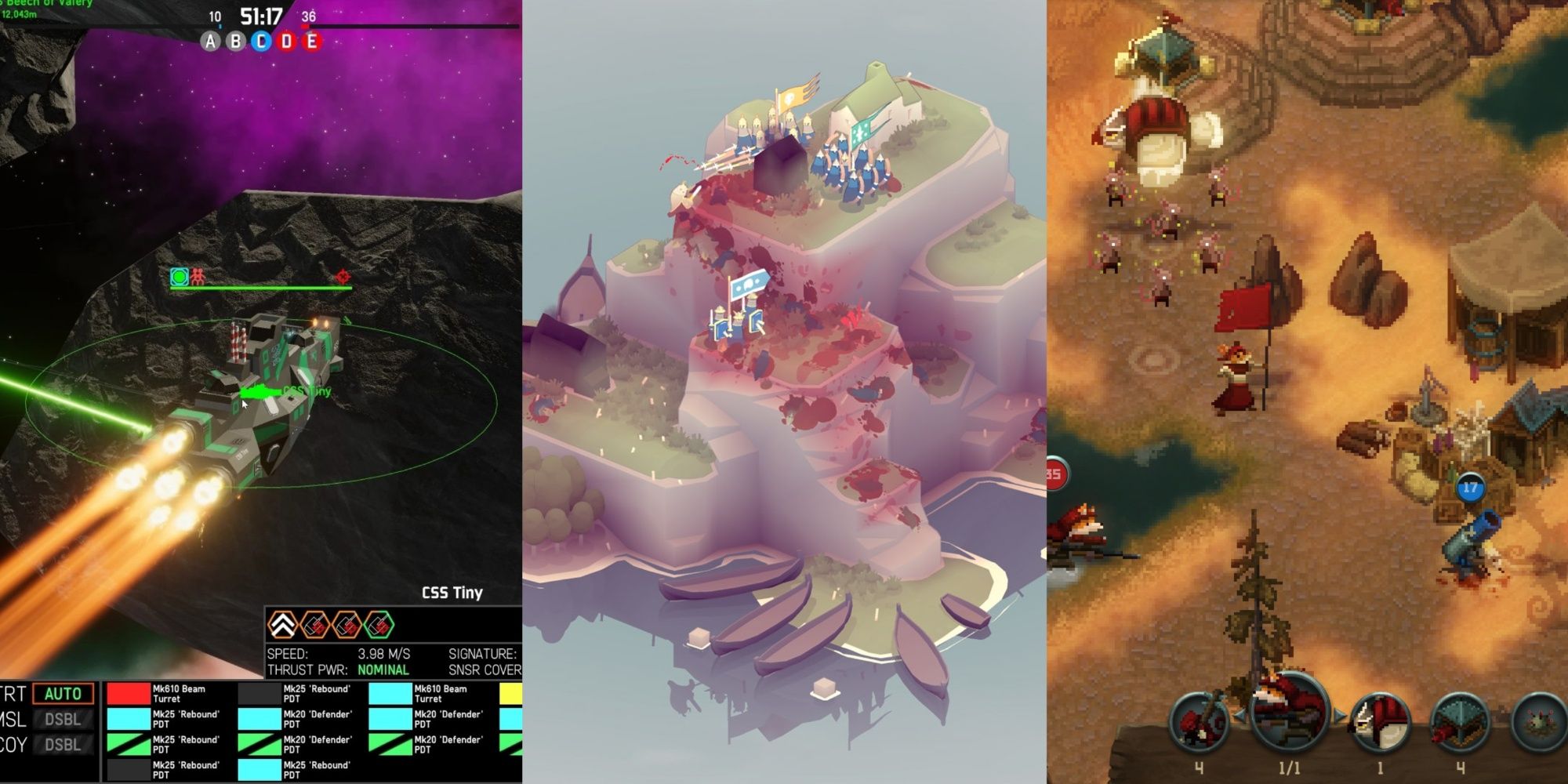
From the makers of FTL, Into the Breach is a turn-based tactics game where every action is visible in advance. Enemy attacks are telegraphed, so failure is always your fault—not bad luck.
With only eight squads and procedurally generated islands, replayability comes from mastering cause and effect. The game teaches you to think like a system—how one mech’s movement can block a fire blast that would otherwise destroy a power grid.
It’s short, challenging, and endlessly satisfying. A must-play for fans of chess-like precision.
#### Against the Storm: Roguelike City-Building in a Fantasy World
Against the Storm blends city-building with roguelike structure. Each run lasts 10 in-game days before a deadly storm resets progress. Your goal: maximize population and resource output before the deluge.
The twist? Every run features randomized biomes, quests, and citizen traits. A beaverfolk lumberjack works faster when near water, while a lizardfolk baker reduces food spoilage.
It’s stressful in the best way—forcing tough choices about infrastructure, worker happiness, and quest prioritization. The game’s difficulty curve teaches efficiency without feeling unfair.
---
Best Strategy Games for Beginners
Not all strategy games require a PhD in logistics. These titles offer approachable mechanics without sacrificing depth.
| Game | Why It’s Beginner-Friendly |
|---|---|
| Northgard | Simplified RTS with clear objectives and gradual learning curve |
| Total War: THREE KINGDOMS | Strong storytelling and intuitive campaign map |
| They Are Billions | Wave-based survival removes complex diplomacy |
| Oxygen Not Included | Pause-and-plan mechanics reduce pressure |
| Kingdom Two Crowns | Minimalist UI and visual feedback make it easy to grasp |
Start with Northgard. Its Viking theme and objective-based gameplay (claim territory, defeat rivals, survive winters) give clear goals without overwhelming systems.
---
How to Choose the Right Strategy
Game for You
Not all strategy games suit every player. Consider these factors before diving in:
- Time commitment: Crusader Kings III campaigns last 20+ hours. Into the Breach runs are under an hour.
- Learning curve: StarCraft II has a steep skill wall. Age of Empires IV is more forgiving.
- Play style: Do you enjoy diplomacy (EU4) or direct combat (Company of Heroes 3)?
- Multiplayer vs. single-player: XCOM 2 is best solo. Supreme Commander 2 thrives in multiplayer.
Use free weekends or demos to test titles. Many strategy games offer free prologues (like Civilization VI’s early-game trial) or limited multiplayer access.
---
Final Verdict: Which Strategy Game Should You Play First?
For most players, Civilization VI is the ideal starting point. It combines accessible mechanics with deep strategic layers, supports mods, and offers endless replayability. Its blend of exploration, technology, and cultural victory paths ensures no two games feel the same.
But if you crave intensity, go straight to XCOM 2. For historical immersion, Age of Empires IV can’t be beat. And if you want to lose yourself in political drama, Crusader Kings III is unmatched.
The best PC strategy games don’t just entertain—they challenge how you think. Pick one, commit to a campaign, and start building your legacy.