When Pedro Pascal stood before a packed theater in Mexico City, surrounded by fans dressed as Mandalorians and waving handmade Grogu plushies, something shifted. The actor, known for his composed intensity and dry wit, faltered—not from a script error or technical glitch, but from emotion. Midway through a panel celebrating The Mandalorian and Grogu, Pascal paused, blinked rapidly, and turned slightly away from the camera. It was subtle, but unmistakable: he was fighting back tears.
This wasn’t a scripted scene. No special effects. No helmet to hide behind. Just a man, a role, and a moment that revealed how deeply the journey of Din Djarin and the small, Force-sensitive companion he calls “kid” has resonated—not just with fans, but with the actor himself.
Why This Moment Hit So Hard
Emotional displays from actors at fan events aren’t rare. But what made this instance stand out was the restraint. Pascal didn’t break down. He didn’t pause to collect himself dramatically. He simply held it together—visibly, vulnerably—while continuing to speak. That tension between composure and emotion struck a chord.
Fans in attendance described a hush falling over the room. Social media lit up instantly with reactions: - “He looked at a fan holding a Grogu doll and just… froze for a second.” - “You could see his lip tremble when someone asked about fatherhood in the show.” - “He didn’t cry, but you knew he wanted to.”
This wasn’t performative. It felt authentic—rare in an age of curated celebrity moments.
The Weight of the Role
Pedro Pascal has never been a typical leading man. He’s built a career on understated power—on characters who carry trauma, duty, and quiet love beneath minimal dialogue. From Oberyn Martell in Game of Thrones to Joel in The Last of Us, Pascal excels at portraying men shaped by loss who rediscover purpose through connection.
Din Djarin fits that mold perfectly. A lone bounty hunter. A man bound by creed. A warrior who becomes a father.
But playing a masked character adds another layer. Most actors rely on facial expressions. Pascal has had to convey everything—grief, tenderness, fear, pride—through voice and body language alone. Over four seasons (and a growing film presence), that emotional labor has accumulated.
At the Mexico event, when a young fan asked, “Does Din Djarin love Grogu like a dad?” Pascal didn’t answer immediately. He looked down, then up, then out at the audience. When he finally spoke, his voice was steady—but thick.
“I think… he doesn’t have the words for it,” Pascal said. “But everything he does says yes.”
That’s when the emotion surfaced. Not in tears, but in the pause. In the breath. In the way he swallowed hard and smiled like he was trying to deflect.
Fan Culture and the Global Reach of The Mandalorian
The event in Mexico wasn’t just a promotional stop. It was a cultural moment. The Mandalorian has become one of the few modern franchises to achieve genuine global appeal. Unlike earlier Star Wars outings that centered on galactic politics or Jedi lore, this series grounds itself in relationship—the bond between a man and a child, across species, across trauma, across galaxies.

Mexico’s fan community has embraced the show with particular passion. Murals of Grogu appear in Guadalajara. Cosplayers bring elaborate, handcrafted beskar armor to conventions. Local artists sell pottery versions of the Child clutching a macaron.
At the event, fans weren’t just consumers. They were participants. One woman handed Pascal a clay figure of Din Djarin holding Grogu—crafted by her son, who couldn’t attend. “He says Grogu is his brother,” she said. Pascal took it, held it for a long moment, then hugged her.
That kind of exchange—personal, raw, unscripted—is what makes this moment in Mexico so powerful. It wasn’t just about promotion. It was about shared meaning.
The Mask and the Man
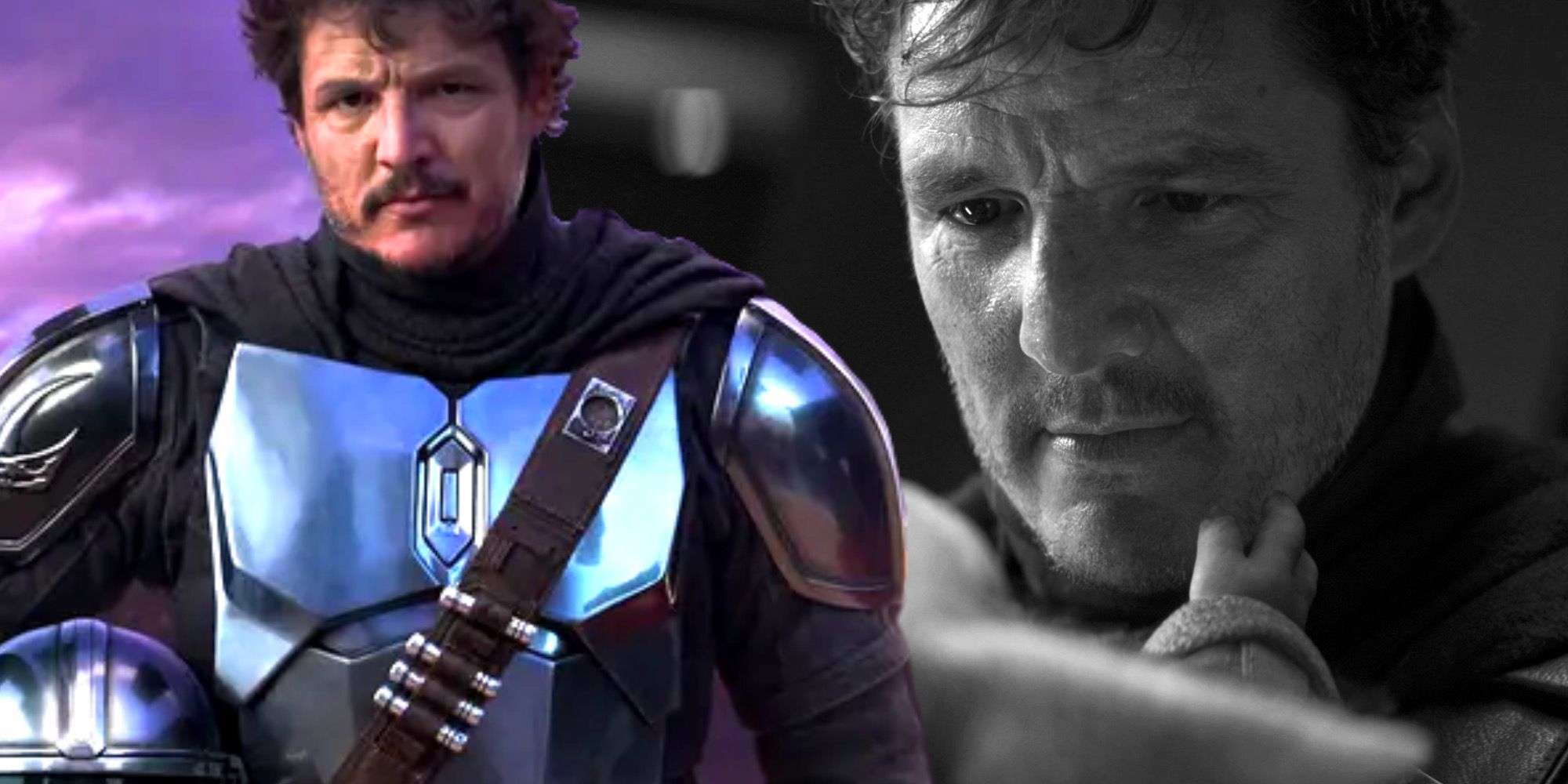
One of the most compelling aspects of Din Djarin’s character is the helmet. For much of the series, he refuses to remove it, adhering to the Creed of the Mandalorians. But in Season 2, Episode 8, he finally takes it off on screen—revealing Pascal’s face in character for the first time.
The irony? The most emotionally powerful scene in the series required Pascal to not act with his face.
Instead, he delivered one of the most moving performances of his career through voice alone—telling Grogu, “I have to go. I’ll see you again. I promise.” The weight was in the tremor. In the breath. In the silence after.
At the Mexico panel, Pascal referenced that scene. “People ask me if it was hard to take the helmet off. But the truth is, the hardest part was what came after. Because once you’ve shown your face… you can’t hide anything anymore.”
It was a metaphor many in the room understood—about parenthood, vulnerability, and the risk of love.
Behind the Scenes: The Emotional Toll of Long-Running Roles
Actors often speak about the difficulty of leaving roles behind. But few roles demand the kind of sustained emotional investment that Din Djarin does. Pascal films in volume stages, often in isolation, performing opposite a puppet or an animatronic. The physicality is grueling—hours in armor, under lights, repeating shots.
But the psychological toll is less discussed.
In interviews, Pascal has hinted at how the role has changed him. “You start to internalize the weight of that armor,” he once said. “Not just physically. Morally. Emotionally.”
There’s a phenomenon known as “role residue”—when actors carry the emotional state of their characters into their personal lives. For Pascal, playing a man who suppresses grief while learning to love may have created a kind of emotional echo.
The Mexico event wasn’t just a celebration. For him, it may have been a release.
The Legacy of Din Djarin and Grogu
The Mandalorian and Grogu—the upcoming film—marks a turning point. The series began as a TV experiment. Now, it’s evolving into a cinematic saga. The shift signals confidence in the characters, but also a deeper investment in their story.
What fans responded to wasn’t the blasters or the starships. It was the quiet moments: Din Djarin adjusting Grogu’s carrier. Grogu reaching out with the Force. The way they communicate without words.
That bond isn’t just fictional. For many viewers, it mirrors real relationships—adoptive parents, guardians, older siblings raising younger ones. It speaks to love that’s chosen, not inherited.
Pascal’s emotional moment in Mexico wasn’t just about missing the role. It was about recognizing its impact. On him. On the fans. On a generation of viewers who see themselves in that relationship.
Why This Matters Beyond the Fandom
In an era dominated by CGI spectacles and franchise fatigue, The Mandalorian stands out for its emotional authenticity. The show’s success isn’t just measured in ratings or merchandise sales. It’s measured in moments like this—when an actor can’t quite hold back the feeling of what it all meant.
Pascal’s near-tears weren’t weakness. They were proof of investment. Of care. Of the rare alignment between performer, character, and audience.
It also highlights a shift in how we view masculinity in storytelling. Din Djarin isn’t emotional because he’s broken. He’s emotional because he’s whole. Because he’s learned to feel. And Pascal, by letting us see his own vulnerability, mirrors that journey.
That’s why the clip from Mexico spread so quickly. Not because it was dramatic. But because it was real.
What Comes Next With The Mandalorian and Grogu set to hit theaters, the story is entering its next phase. Pascal has confirmed he’ll reprise his role, though the future beyond that remains unclear.
What’s certain is that the emotional core of the series—the bond between a man and a child—will remain central. And if Pascal’s reaction in Mexico is any indication, that bond isn’t just on screen. It’s personal.
For fans, that authenticity is everything. They don’t just want entertainment. They want connection. And in that crowded theater, with an actor struggling to speak through unshed tears, they got it.
Closing Thought: Pedro Pascal’s moment in Mexico wasn’t a breakdown. It was a breakthrough—a reminder that the most powerful stories are the ones that change the people telling them. If you’ve ever loved something deeply—be it a role, a child, or a dream—then you understand why he couldn’t speak. Some feelings don’t need words. They just need to be felt.
Frequently Asked Questions
Why did Pedro Pascal look emotional at the Mandalorian event in Mexico? He was visibly moved by fan passion, personal connections to the role of Din Djarin, and questions about fatherhood and love in the series, which reflect deep emotional themes in the show.
Was Pedro Pascal actually crying during the event? No, he didn’t cry, but he was clearly fighting back tears—blinking rapidly, pausing, and showing visible signs of emotion while discussing his character’s relationship with Grogu.
What did fans do that affected Pedro Pascal in Mexico? Fans brought handmade Grogu figures, shared personal stories about parenthood, and asked heartfelt questions, creating an intimate, emotional atmosphere that resonated with Pascal.
How has playing Din Djarin impacted Pedro Pascal? Pascal has described the role as emotionally demanding, requiring deep empathy and restraint. He’s spoken about how the character’s journey of becoming a father has stayed with him beyond filming.
Is The Mandalorian and Grogu movie related to this event? Yes, the Mexico event celebrated the upcoming film The Mandalorian and Grogu. Pascal’s emotional response came during a panel discussing the transition from series to cinema.
Does Pedro Pascal usually show emotion at fan events? Generally, no. Pascal is known for his wit and composure. This moment stood out because of its rarity and sincerity, making it more impactful for fans.
Will Pedro Pascal continue as The Mandalorian in future projects? He’s confirmed to return for The Mandalorian and Grogu. Future involvement beyond that has not been officially announced, but remains likely.
FAQ
What should you look for in Pedro Pascal Fights Back Tears at Mandalorian Event in Mexico? Focus on relevance, practical value, and how well the solution matches real user intent.
Is Pedro Pascal Fights Back Tears at Mandalorian Event in Mexico suitable for beginners? That depends on the workflow, but a clear step-by-step approach usually makes it easier to start.
How do you compare options around Pedro Pascal Fights Back Tears at Mandalorian Event in Mexico? Compare features, trust signals, limitations, pricing, and ease of implementation.
What mistakes should you avoid? Avoid generic choices, weak validation, and decisions based only on marketing claims.
What is the next best step? Shortlist the most relevant options, validate them quickly, and refine from real-world results.